
 Canada
 Australia
 EUR



Harley engine parts
The engine is at the heart of every motorcycle, and the correct replacement components are essential when carrying out maintenance or repairs.
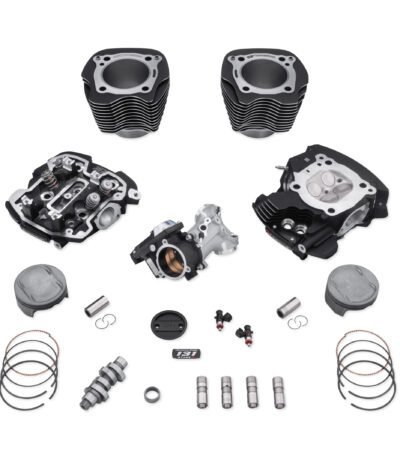
Harley motorcycle engines contain numerous individual components that work together. Depending on the motorcycle, engine parts can include internal components, valve train parts, lubrication components, gaskets, seals, covers and air intake components.
This guide explains the major categories of Harley engine parts and what to consider before purchasing replacement components.
Major Harley Engine Parts
Pistons
Pistons move inside the cylinders and play a central role in the combustion process.
Replacement pistons must be matched to the correct engine application and specifications.
Piston Rings
Piston rings perform important sealing functions between the piston and cylinder.
Incorrect ring specifications can cause serious engine problems, so always verify the correct application.
Cylinder Components
Cylinder-related components form part of the engine’s combustion assembly.
Depending on the engine design, replacement components may include cylinders, cylinder hardware and related seals or gaskets.
Cylinder Heads
Cylinder heads contain important components associated with combustion and valve operation.
When replacing cylinder-head components, verify the correct engine application before ordering.
Valves
Valves control the movement of gases into and out of the combustion chamber.
Valve-related components can include:
- Intake valves
- Exhaust valves
- Valve springs
- Retainers
- Guides
- Related hardware
Camshaft Components
Camshaft components control valve timing and are part of the engine’s valve train.
Performance and replacement camshaft components must be selected according to the engine application.
Pushrods and Rocker Components
Pushrods and rocker components transfer movement within the valve train.
Different engine configurations may require different components.
Oil Pumps and Lubrication Components
Proper lubrication is essential for engine operation.
Depending on the application, lubrication-related parts can include oil pumps, oil lines, seals and related components.
Gaskets and Seals
Gaskets and seals help prevent leaks between mating surfaces and components.
Whenever an engine is disassembled, use the correct replacement gasket or seal for the specific application.
How to Choose Harley Engine Parts
Before purchasing an engine component, identify:
- Motorcycle year
- Model
- Engine type
- Engine displacement
- Existing part number
- Manufacturer part number
- Required specifications
Do not rely solely on photographs because similar-looking engine parts may have different dimensions or specifications.
OEM and Aftermarket Engine Components
Both OEM and aftermarket engine components are available for many applications.
When comparing products, consider:
- Manufacturer
- Part number
- Material
- Specifications
- Stated fitment
- Warranty information
- Intended application
The most important consideration is whether the component is appropriate for the specific engine.
Shop Harley Engine Parts
Browse the Harley Engine Parts category at Harley Parts Warehouse to find available engine components and replacement parts.
For individual products, review the complete product description and fitment information before ordering.
Frequently Asked Questions
What are the most common Harley engine parts?
Common categories include pistons, rings, gaskets, seals, valve train components, oil system components and engine covers.
How do I identify the correct engine part?
Use the motorcycle’s year, model, engine information and the original component’s part number whenever available.
Can I use an aftermarket Harley engine part?
Aftermarket components can be available for many applications, but compatibility must be verified for the specific motorcycle and engine.
One thought on “Harley Engine Parts Guide”